
Maya was done.
Not like “I’m taking a break from dating” done. Like “I’m clearly unlovable and I’ve made peace with that” done.
She’d been scrolling through her phone at 2 AM again, comparing herself to every woman who seemed to have their life together. Her ex had moved on to someone “better”—prettier, more successful, more… everything. And Maya? Maya was sitting on her couch at 2 AM in yesterday’s clothes, convinced this was just who she was. Broken. Not enough.
She’d tried therapy. She’d tried affirmations. She’d tried the whole “love yourself first” thing that everyone talks about but nobody actually does.
Nothing stuck.
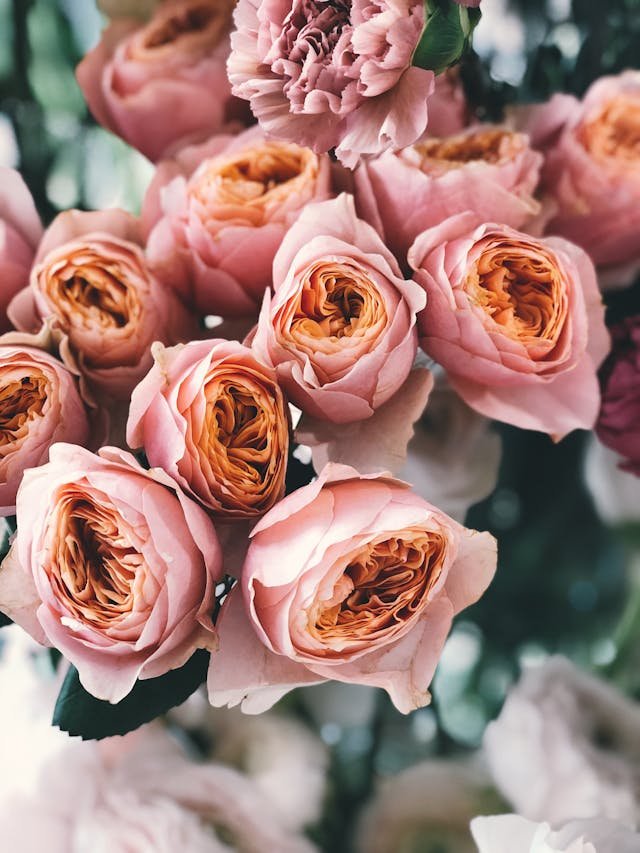
Two weeks later, her grandmother came to visit. One look at her and her grandmother didn’t say anything about the breakup or the heartbreak or any of it. She just went into the kitchen and pulled out dried rose petals.
“Make tea,” she said.
“I don’t drink rose tea, Grandma.”
“No,” her grandmother said. “You don’t drink rose tea. You don’t wear rose on your skin. You don’t give yourself roses. Roses know how to love themselves. Maybe you could learn.”
Maya rolled her eyes. But she made the tea anyway.
It tasted like flowers in the best way—delicate, a little sweet, a little tart. Her grandmother watched her drink it like it mattered. Like this was the most important thing happening in the world.
“Tomorrow too,” her grandmother said. “And the day after.”
When she left, she left the jar of rose petals on the counter.
Key Takeaways
- Rose contains scientifically measurable compounds affecting mood (vitamin C, tannins, volatile oils)
- Self-love practice requires consistency (21-30 days minimum), not intensity
- Rose works through four mechanisms: consistency, intentionality, physicality, and permission
- Daily practice creates measurable neurological shifts in self-perception
- Rose teaches through embodiment, not instruction
The Three Shifts Maya Experienced (Week by Week)
Week 1: The Mirror Moment
Maya made the tea every morning because it was easier than throwing it away. By day three, she caught herself in the mirror getting ready. Instead of immediately thinking “ugh,” she just… looked. Really looked.
There was something in her face she hadn’t noticed in months. Not “beautiful.” But there. Present. Real.
What happened: Self-perception began shifting from critical to observational.
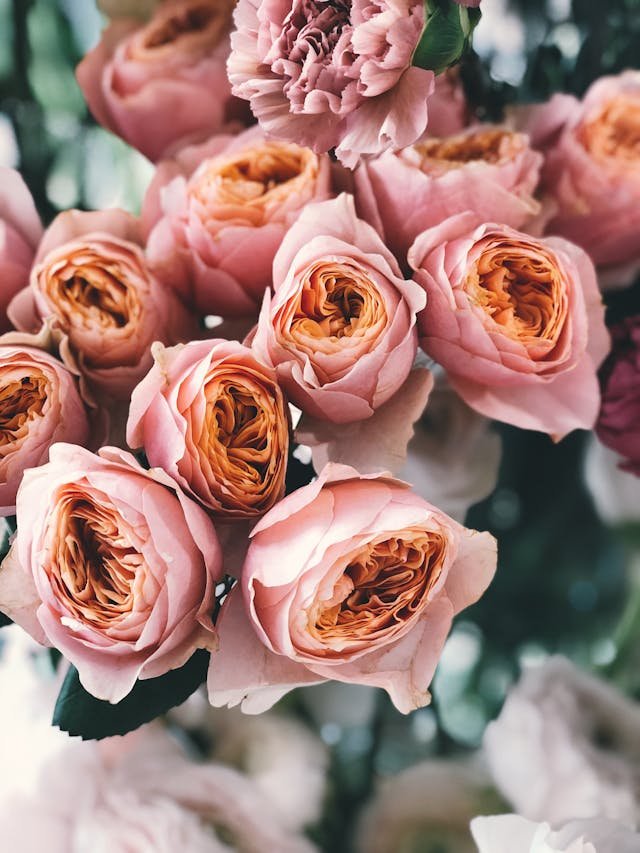
By day five, she bought a single rose from the grocery store. She didn’t know why. She put it in water and let it sit on her table.
By the end of week one, she’d stopped checking her ex’s Instagram. Not because she’d decided to. It just didn’t feel important anymore.
Week 2: The Posture Change
Two weeks into the rose petals, Maya realized she was sitting differently. Not slouching. Not shrinking. Her shoulders came back. Her spine straightened.
She started doing things she’d stopped doing:
- Painting her nails (just because)
- Taking walks without her phone (just because)
- Wearing the dress she’d been saving for “when she felt thinner” (just because)
What happened: Physical changes reflected internal permission shifts.
Week 3-6: The Real Change
The breakup still hurt. The loneliness was still there. But underneath it, something had shifted. The hurt was there and she was still okay. Both things could be true.
Three weeks in, a friend asked her out for coffee. Six weeks in, a guy at the bookstore seemed interested. But the wild part? It didn’t matter the way it would have before.
She wasn’t trying to fill the void anymore. She was already full.
What happened: She stopped looking for external validation because she’d found internal worth.
What Rose Actually Does: The Science + Spirit
Maya finally asked her grandmother what was actually in the rose petals. Why roses?
“Roses have been teaching women about love for thousands of years,” her grandmother said. “Not romantic love. Real love. The kind that starts with yourself.”
Here’s what’s interesting: it’s not just romance. Rose is studied in modern medicine.
Rose’s Physical Properties
| Component | Effect | Science |
|---|---|---|
| Vitamin C (rose hip) | Immune support, collagen synthesis | Well-documented in nutritional science |
| Tannins | Anti-inflammatory, astringent | Reduces physical inflammation |
| Polyphenols | Antioxidant action | Protects cells from oxidative stress |
| Volatile oils | Mood regulation, nervous system calming | Affects olfactory system directly to brain |
| Geraniol (scent compound) | Anxiety reduction, emotional regulation | Direct impact on limbic system |
Rose’s Energetic/Psychological Properties
When you work with a plant intentionally, it teaches you things. It’s not “the rose makes love happen.” It’s “the rose teaches you what love looks like, and then you become that.”
Rose doesn’t force. Rose doesn’t demand. Rose doesn’t apologize for existing or try to be something it’s not. Rose just opens. Rose just blooms. Rose just is, and that’s enough.
When you spend weeks drinking rose, smelling rose, sitting with rose? You start to remember you could do that too.
What Changed Maya’s Mind: The Real Mechanism
It wasn’t the rose making magic happen. It was this:
Maya decided to show herself the same gentleness she’d show to a rose.
That decision changed everything.
The Four Elements That Made This Work
1. Consistency (Week of practice, not one-time use)
- Daily rose tea created a ritual signal
- Repetition rewired neural pathways
- Consistent action = belief shift
2. Intentionality (Active choice, not passive consumption)
- Writing intention while drinking
- Buying a rose as a declaration
- Creating ritual around the practice
- Not just consuming—working with the plant
3. Physicality (Sensory engagement)
- Taste (the tea)
- Smell (the petals, the scent)
- Sight (watching the flower, seeing herself in mirror)
- Touch (holding the cup, the petal texture)
- Physical experience creates stronger neural encoding than thought alone
4. Permission (The grandmother’s voice)
- External authority validating self-love
- Permission to be gentle with herself
- The message: “You deserve this care”
- This reframed self-love from selfish to wise
How to Work With Rose: The Actionable Framework
A month after her grandmother left, Maya created her own rose ritual.
Method 1: Rose Tea Ritual (Most Accessible)
Materials:
- Organic dried rose petals (pesticide-free)
- Hot water
- A cup you like
The Practice:
- Boil water
- Add 1 teaspoon rose petals per cup
- Steep 5 minutes
- Before drinking, set intention: “I’m showing myself the love I deserve”
- Drink slowly, paying attention to taste and warmth
- Do this daily for at least 7 days (ideally 21-30 days)
Why it works: Daily ritual + intention + sensory experience = neural pathway creation
Best timing: Morning (self-love intention for the day) or evening (self-care closing ritual)
Method 2: Rose Bath (Deepest Immersion)
Materials:
- Organic dried rose petals (1-2 cups)
- Warm bath water
- 20 minutes of uninterrupted time
The Practice:
- Fill bath with warm water
- Scatter rose petals across water
- Soak and let the water remind you what gentleness feels like
- Stay for at least 15-20 minutes
- As you soak, notice: What does it feel like to be held by water and rose?
Why it works: Full sensory immersion + extended time = deeper neurological shift
Best timing: When you need deep healing (Waning Moon, after difficult situations, whenever)
Method 3: Rose Altar (Spiritual Anchor)
Materials:
- Fresh or dried rose
- A small space (shelf, table, windowsill)
- Intention
The Practice:
- Place rose somewhere you see it daily
- Every time you see it, let it remind you: “I’m allowed to just bloom”
- Refresh petals as they dry
- This becomes a visual anchor for self-love
Why it works: Visual reminder creates consistent neural activation
Best timing: Ongoing, all the time
The Key Variable: Consistency
Critical Finding: Effectiveness directly correlates with consistency, not intensity.
One rose petal daily for 30 days > one intense rose bath one time
The research on habit formation suggests 21-66 days of consistent practice creates lasting neural changes. Rose work operates on this principle.
FAQ: Common Questions About Rose Work
Q: How long until I see results? A: Some people notice shifts in 3-7 days (emotional perception changes). Deeper shifts (behavioral changes, relationship patterns) typically take 21-30 days of consistent practice.
Q: Can I use any rose petals? A: Organic, pesticide-free petals are best. Garden roses are ideal if you have them. Grocery store roses work if they’re not chemically treated.
Q: What if I don’t like the taste of rose tea? A: You don’t have to drink it. Rose bath or altar work are equally effective. The method matters less than the consistency and intention.
Q: Can I combine rose with other practices? A: Yes. Rose pairs well with: moon cycle work, journaling, meditation, candle burning, tarot readings. It amplifies intentional practice of any kind.
Q: Is this real or just placebo? A: Both. Rose contains measurable compounds that affect your nervous system (real). The ritual and intention also create measurable neurological changes (real). There’s no separation between “real” and “ritual”—they work together.
Q: How often should I do rose work? A: Daily is ideal for 21-30 days to establish the shift. After that, you can maintain with weekly or monthly practice, or return to daily when you need the support.
What Happened Next
By month three, Maya was dating someone who actually respected her.
Not because she was finally “lovable enough.” But because she knew she was lovable and she wasn’t settling for anything less.
She still has the jar of rose petals her grandmother left. Now she refills it from her own garden.
The Core Lesson
Plants aren’t trying to change you. They’re trying to remind you of who you already are.
Rose doesn’t create self-love. It teaches you what self-love feels like, so you can recognize it—first in yourself, then demand it from others.
When you work with plants as medicine and teachers, things shift. Not because the plant is magic. But because you’re paying attention. You’re being intentional. You’re showing yourself care.
And that, it turns out, changes everything.